
Scroll Down for English and Spanish Translation.
Het is gevaarlijk om te zwemmen in The Gambia.
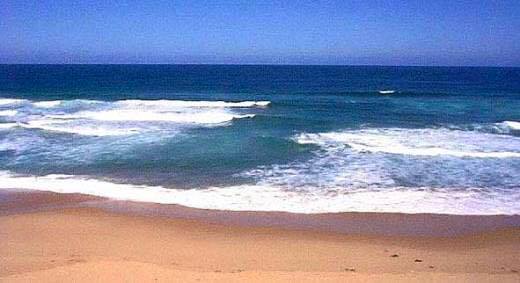
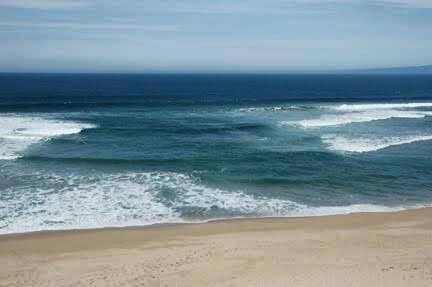
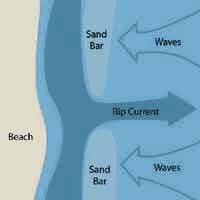
Het gemakkelijkste om te onthouden is dat vaak het veiligste / meest kalmste meest aanlokkelijk uitziende gebied langs een strand meestal een rip is. Een rip is meestal het gebied dat vrij is van golfactiviteit en lijkt donkerder en bedrieglijk rustiger. Het kan soms melkachtig of turbulent lijken, maar het is altijd vrijwel ongevoelig voor golfactiviteit. Al dat water dat via golven binnenkomt, moet op de een of andere manier teruggaan, dit is wat een rip is. (zie foto’s). Neem altijd 5-10 minuten als je naar het strand gaat om de omstandigheden te observeren en te bepalen waar deze gebieden zich bevinden. Als je kinderen hebt, laat ze deze foto’s zien, onderwijst ze en maak ze bewust. Je kunt niet altijd naar ze kijken en het is slechts een kwestie van een paar meter elke manier van het punt van toegang tot het water dat zou kunnen betekenen dat ze veilig zijn, of direct gevangen in een rip. Vanzelfsprekend is de veiligste plek om te zwemmen altijd tussen de vlaggen op een bewaakt strand, maar dit is niet altijd praktisch gezien de onmetelijkheid van onze kustlijn en het aantal prachtige stranden. Natuurlijk zijn er nog vele andere factoren die een rol kunnen spelen als het gaat om strandveiligheid, maar rips is de nummer 1 moordenaar. Ze zijn niet moeilijk te identificeren en observatie van 10 minuten voordat ze de branding ingaan, is veel gemakkelijker dan het ophalen van lichaam.


English Translation.
It is dangerous to swim in The Gambia. The easiest thing to remember is that often the safest/calmest most enticing looking area along a beach is usually a rip. A rip is usually the area clear of wave activity and appears darker and deceptively calmer. It may appear milky or turbulent at times, but it is always virtually impervious to wave activity. All that water coming in via waves has to go back somehow, this is what a rip is. (see pictures). Always take 5-10 minutes when you go to the beach to observe the conditions and determine where these areas are. If you have children, show them these pictures, educate them and make them aware. You can’t watch them all the time and it’s only a matter of a few feet each way from the point of entry into the water that could mean they’re safe, or directly caught in a rip. Obviously the safest place to swim is always between the flags on a patrolled beach, but this is not always practical given the immensity of our coastline and the number of beautiful beaches. Of course, there are many other factors that can come into play when it comes to beach safety, but rips are the No. 1 killer. They are not difficult to identify and 10 minutes of observation before entering the surf is much easier than body retrieval.
SPANISH
Es peligroso nadar en Gambia. Lo más fácil de recordar es que, a menudo, la zona más segura, tranquila y atractiva de una playa suele ser una corriente de resaca. Una corriente de resaca suele ser la zona libre de actividad de olas y parece más oscura y engañosamente más tranquila. A veces puede parecer lechosa o turbulenta, pero siempre es prácticamente impermeable a la actividad de las olas. Toda esa agua que entra a través de las olas tiene que volver de alguna manera, eso es lo que es una corriente de resaca (ver imágenes). Tómese siempre de 5 a 10 minutos cuando vaya a la playa para observar las condiciones y determinar dónde están estas áreas. Si tiene niños, muéstreles estas imágenes, edúquelos y concientícelos. No puede vigilarlos todo el tiempo y es solo cuestión de unos pocos pies en cada dirección desde el punto de entrada al agua que podría significar que están a salvo o directamente atrapados en una corriente de resaca. Obviamente, el lugar más seguro para nadar es siempre entre las banderas de una playa vigilada, pero esto no siempre es práctico dada la inmensidad de nuestra costa y la cantidad de hermosas playas. Por supuesto, hay muchos otros factores que pueden influir en la seguridad de la playa, pero las corrientes de resaca son la principal causa de muerte. No son difíciles de identificar y es mucho más fácil observarlas durante diez minutos antes de entrar en la playa que recuperar el cuerpo.
 THE GAMBIA SANTOSU TOURS