
SCROLL DOWN FOR ENGLISH AND SPANISH TRANSLATION.


English Translation
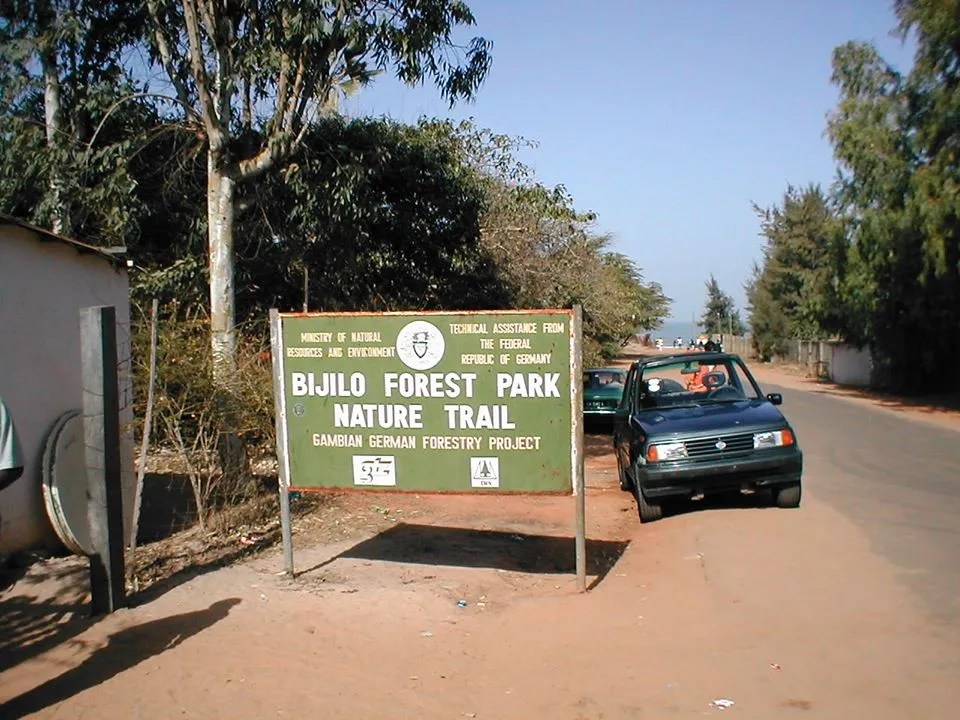
BIJILO FOREST PARK.
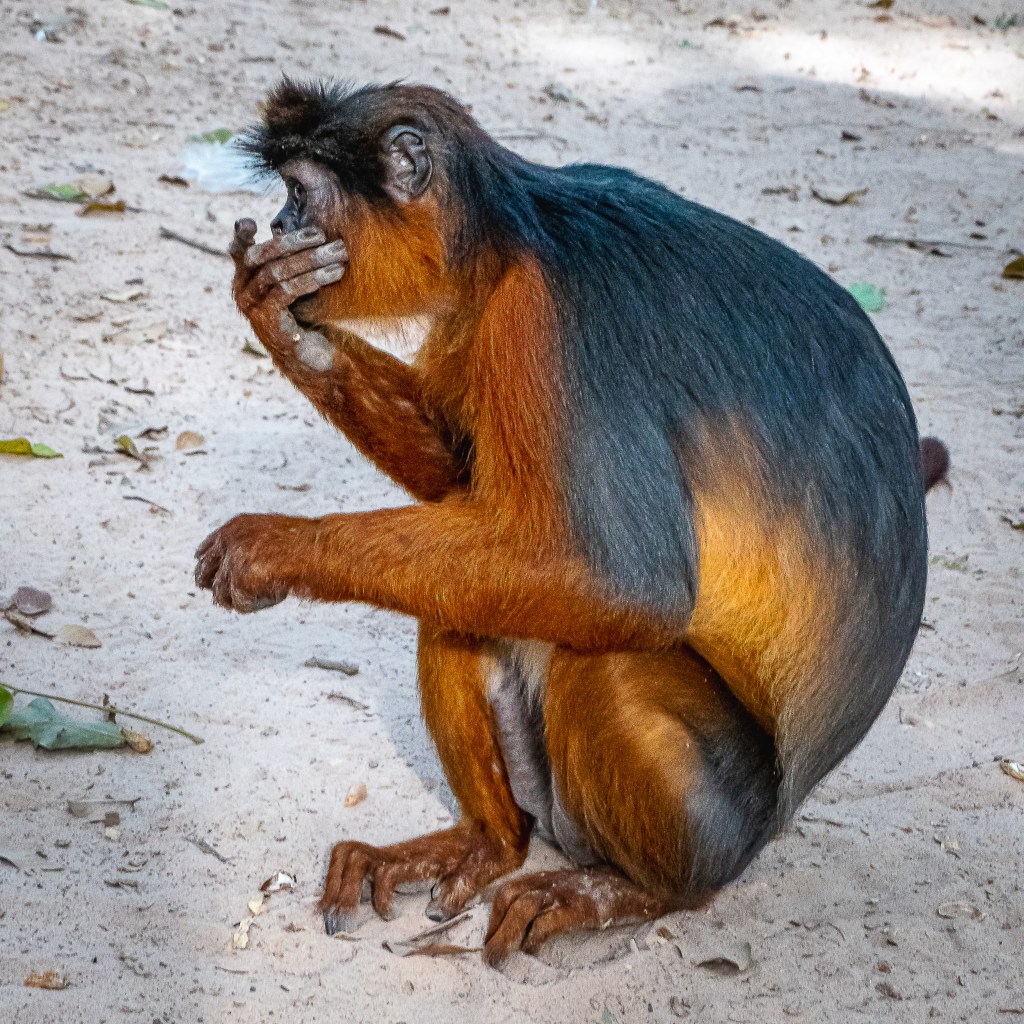
The Bijilo park is located 2.2 km south of Kololi, just behind the beach. It is the last natural West Atlantic coastal forest and is only 25 hectares in size. The unique nature reserve with many termite mounds is maintained with the help of a German nature conservation organization. It is known as “Monkey Park” among the tourists. The monkeys – Green Velvet Monkeys -, also called green meerkats, with yellow and green parts in their mainly gray fur, are social animals and live in groups of about 20 animals. They live on the ground for much of the day and love peanuts, which they like to munch on. Their food consists of fruits, flowers, leaves and seeds. The West African Red Colobus monkey also lives in this small forest, which is very shy. They scream loudly and are usually high in the trees. These monkeys are threatened with extinction because their habitat is being destroyed. They are hunted by people for their meat.
SPANISH
PARQUE FORESTAL DE BIJILO.
El parque de Bijilo está situado a 2,2 km al sur de Kololi, justo detrás de la playa. Es el último bosque natural de la costa del Atlántico Oeste y tiene una superficie de tan solo 25 hectáreas. Esta reserva natural única, con numerosos termiteros, se mantiene con la ayuda de una organización alemana de conservación de la naturaleza. Entre los turistas se le conoce como el “Parque de los Monos”. Los monos, también llamados suricatas verdes, con partes amarillas y verdes en su pelaje, principalmente gris, son animales sociales y viven en grupos de unos 20 animales. Viven en el suelo durante gran parte del día y les encantan los cacahuetes, que les gusta masticar. Su comida consiste en frutas, flores, hojas y semillas. En este pequeño bosque también vive el mono colobo rojo de África Occidental, que es muy tímido. Grita fuerte y suele estar en lo alto de los árboles. Estos monos están en peligro de extinción porque se está destruyendo su hábitat. Son cazados por la gente por su carne.
 THE GAMBIA SANTOSU TOURS